"Flowers in Art: A Journey Through Iconic Floral Masterpieces."
The use of flowers holds significant importance that extends beyond mere aesthetic appeal and when employed in art have been imbued with symbolic meaning throughout history and across cultures. They can represent a wide range of concepts, including love, beauty, purity, spirituality, growth, and mortality. Artists often utilize flowers symbolically to convey these ideas and evoke specific emotions or themes within their work. For example, a rose might symbolize love and passion, while a wilting flower could signify the passage of time and the transient nature of life.
The stories and messages an artist is able to tell through the use of flowers is just the beginning of the power they hold, they also possess a universal appeal that transcends cultural and linguistic barriers for art appreciators and consumers alike. Regardless of one's background or beliefs, flowers are universally recognized as symbols of beauty and often evoke feelings of joy, tranquility, and appreciation for nature. As such, artists frequently incorporate flowers into their work to create a connection with viewers and evoke a sense of familiarity and resonance.
Let's delve into a brief art history lesson and explore how flowers have been portrayed in famous artwork, showcasing their enduring allure and artistic versatility.
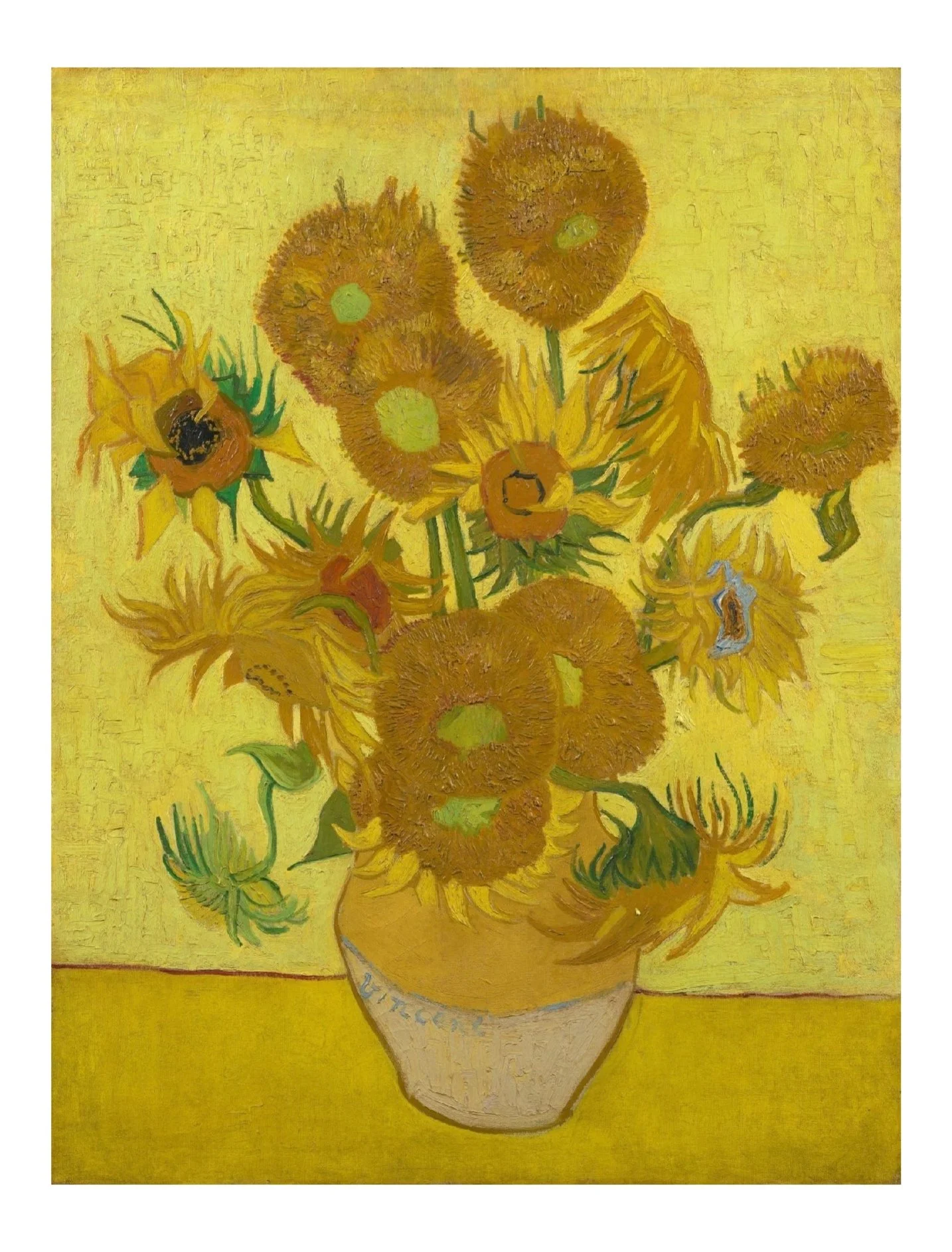
Vincent van Gogh's "Sunflowers" (1888): One cannot discuss flowers in art without mentioning Vincent van Gogh's iconic series of sunflower paintings. Van Gogh's vibrant and expressive brushstrokes captured the essence of these golden blooms in a way that transcends mere representation. The series, particularly the version housed in the Van Gogh Museum in Amsterdam, serves as a poignant reflection of the artist's emotional state and his fervent belief in the power of art to bring joy and solace.
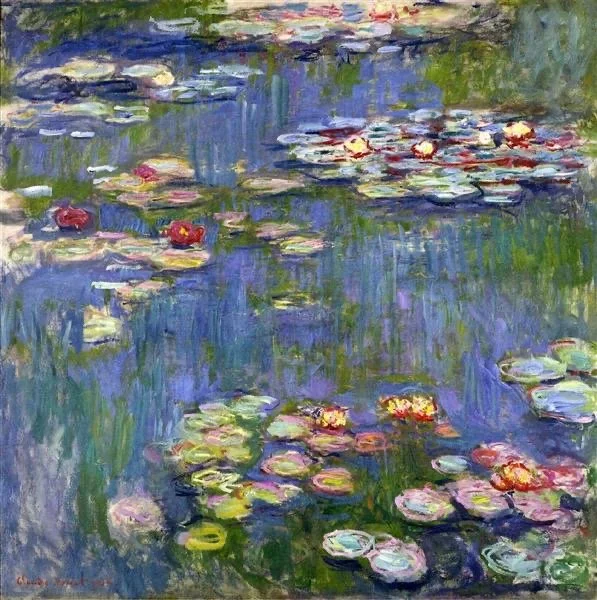
Claude Monet's "Water Lilies" (1916): Monet's fascination with nature is epitomized in his mesmerizing series of water lily paintings. These works, created in his beloved garden in Giverny, France, showcase the interplay of light, color, and form amidst a serene aquatic landscape. The water lilies, with their serene beauty and tranquil surroundings, evoke a sense of harmony and contemplation, inviting viewers to immerse themselves in the beauty of the natural world.
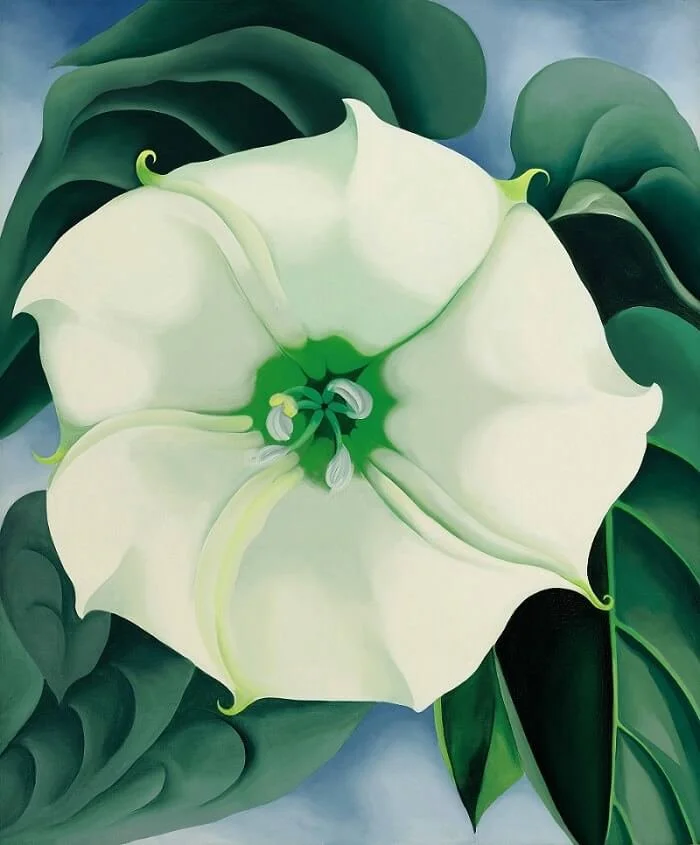
Georgia O'Keeffe's "Jimson Weed/White Flower No. 1" (1932): O'Keeffe's larger-than-life depictions of flowers, particularly her iconic painting of the Jimson weed, challenge conventional notions of floral art. Through her bold use of scale and close-up compositions, O'Keeffe invites viewers to see flowers in a new light, emphasizing their inherent abstract qualities and sensuous forms. Her flower paintings are not merely botanical studies but rather explorations of the sublime and the essence of femininity.
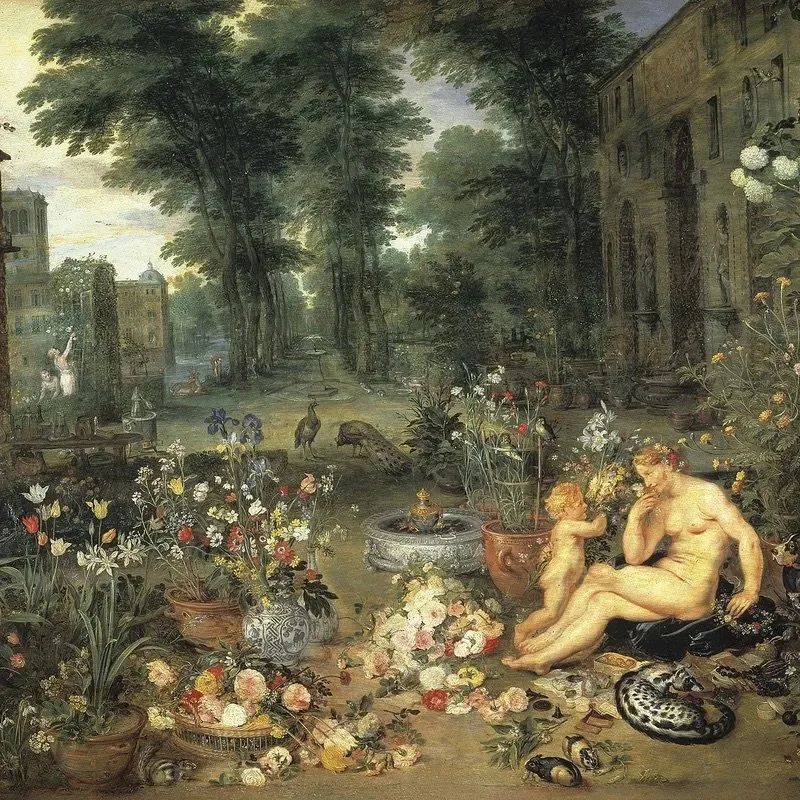
Jan Brueghel the Elder's "The Sense of Smell" (1618): In this exquisite example of Flemish Baroque art, Jan Brueghel the Elder masterfully captures the essence of scent through a sumptuous bouquet of flowers. The painting, part of a series depicting the five senses, portrays a profusion of blooms arranged in a lavish vase, inviting viewers to imagine the fragrant aromas wafting through the air. Brueghel's meticulous attention to detail and rich symbolism imbue the work with a sense of sensory delight and symbolic significance.
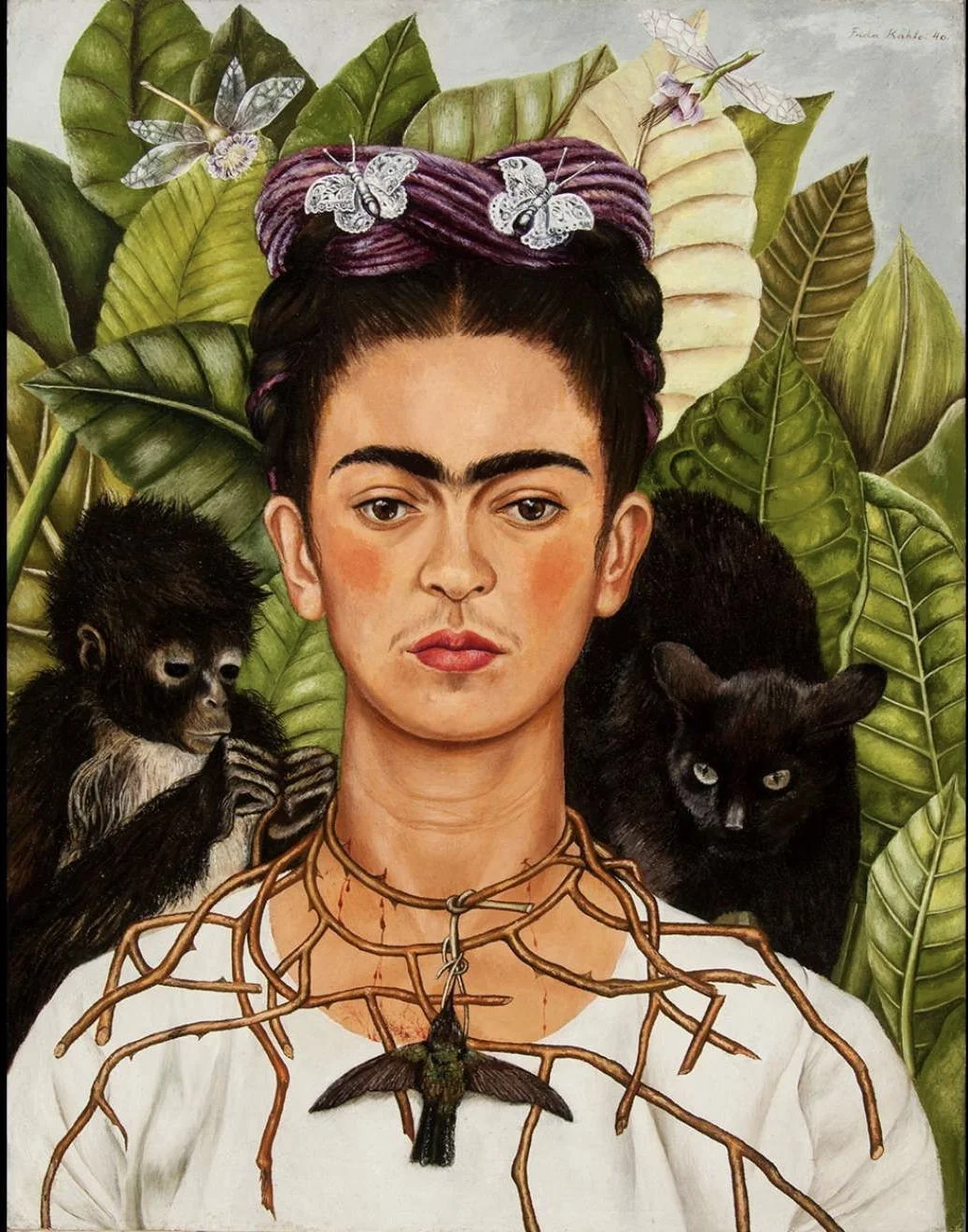
Frida Kahlo's "Self-Portrait with Thorn Necklace and Hummingbird" (1940): Flowers held a deeply personal significance for Frida Kahlo, who often incorporated them into her self-portraits as symbols of life, death, and resilience. In this striking self-portrait, Kahlo depicts herself wearing a necklace adorned with thorns and hummingbirds, surrounded by a wreath of flowers. The juxtaposition of beauty and pain, life and death, reflects Kahlo's own struggles with physical and emotional anguish, yet also celebrates her unyielding spirit and connection to the natural world.
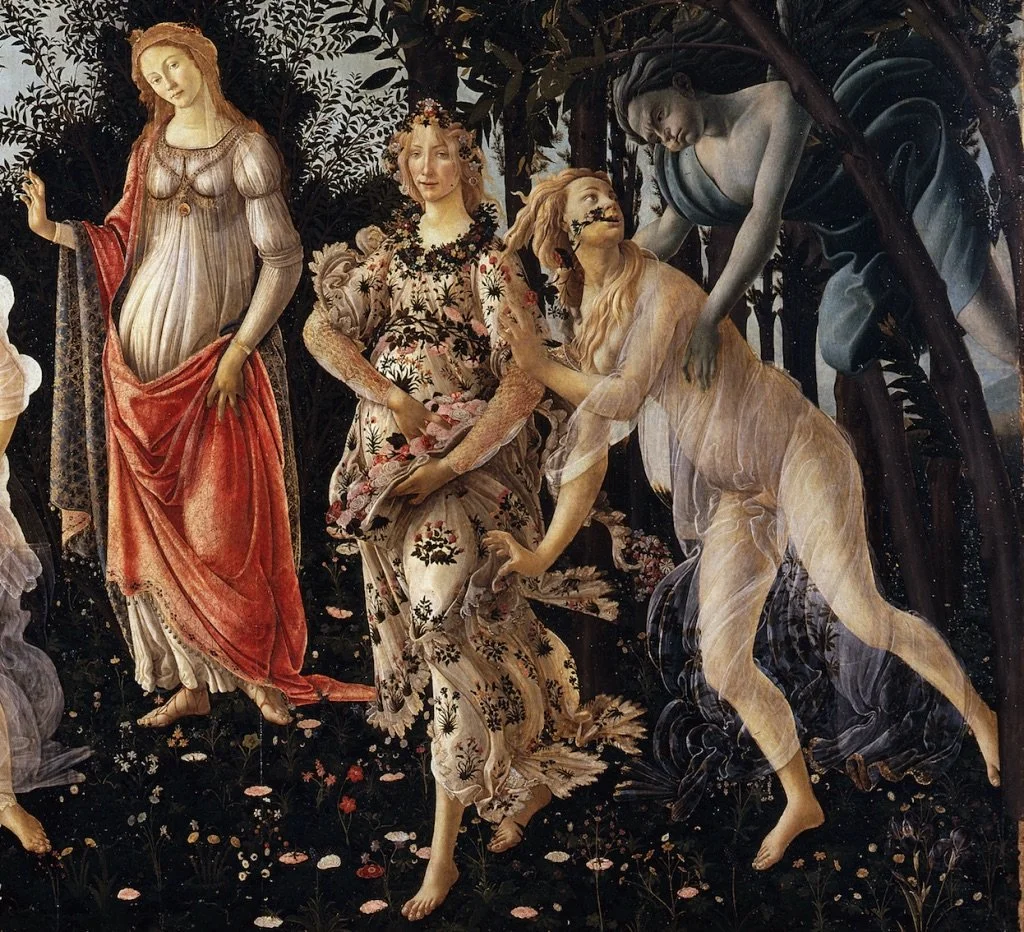
Sandro Botticelli - "Primavera" (c. 1482): One of the most iconic paintings of the Italian Renaissance, Botticelli's "Primavera" is a celebration of springtime and renewal. The painting features a lush garden filled with an abundance of flowers, including orange blossoms, violets, and roses, symbolizing fertility, love, and rebirth. The intricate symbolism and ethereal beauty of the flowers add depth and meaning to the allegorical narrative of the painting.
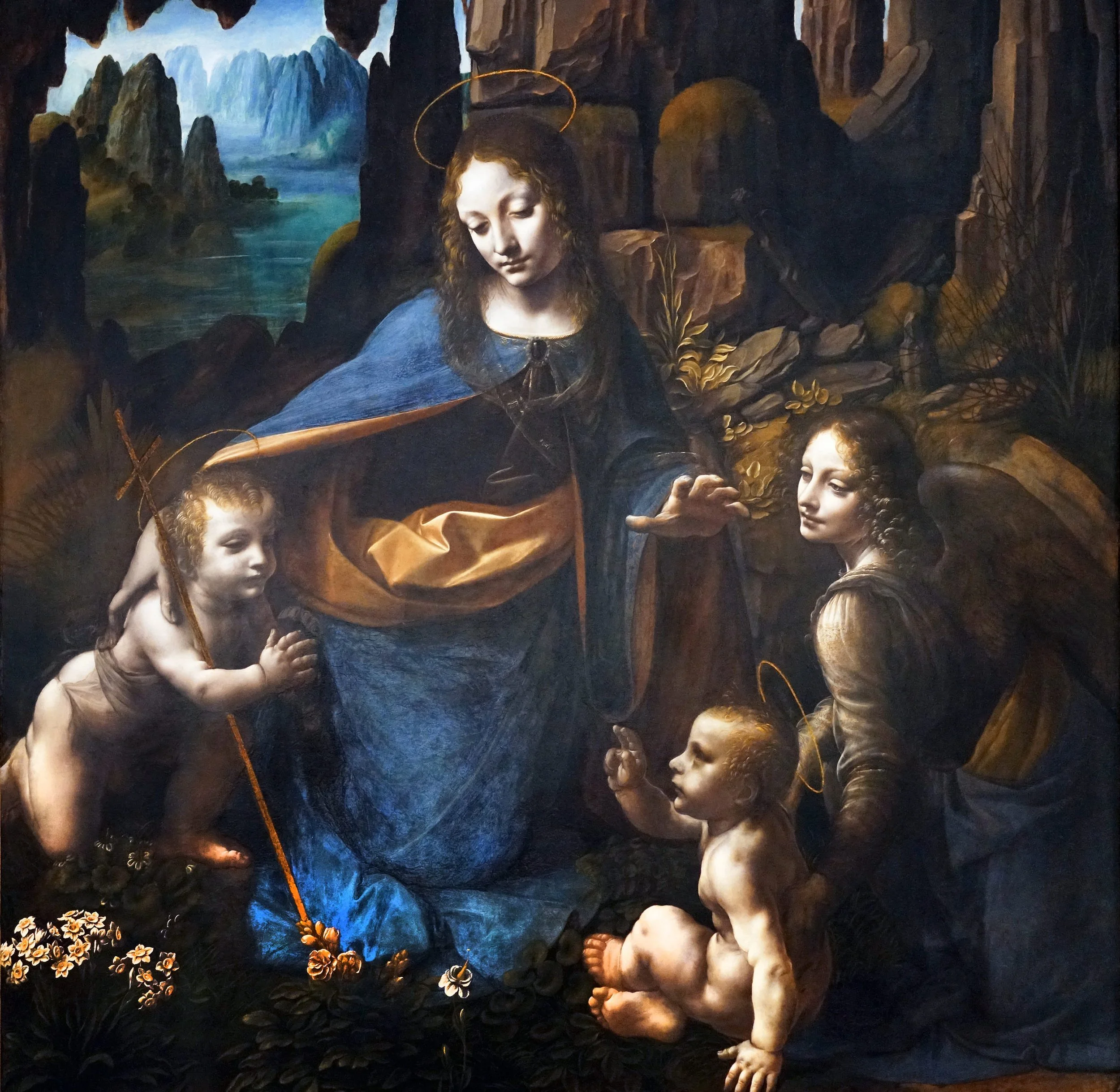
Leonardo da Vinci - "The Virgin of the Rocks" (c. 1483-1486): In this enigmatic masterpiece, Leonardo da Vinci incorporates flowers as symbolic elements within the composition. The painting depicts the Virgin Mary, infant Jesus, and John the Baptist in a rocky landscape adorned with various plant species, including lilies and irises. These flowers are imbued with religious symbolism, representing purity, virtue, and divine grace, enriching the spiritual dimension of the artwork.
In each of these works, we find a reminder of the profound connection between art and nature, and the power of beauty to uplift and inspire in the same way we use florals in our lives to lift the mood of a space of that of someone we love. The use of flowers in famous artwork help to enrich the visual language of art, inviting us to contemplate the beauty of the natural world and the deeper meanings encoded within their work.
If you appreciate the beauty of flowers like we do, shop with us on our site for arrangements for any occasion or visit us on Instagram for similar content to this!